




Famous British historian Paul Kennedy once stated that, ‘Economic power is the foundation of all national power’. In today’s world, the best way to achieve this is to build deep expertise in strategically important domains and convert it into geopolitical leverage apart from driving economic growth. Various ways to attain this economic superiority include oil refining processes, defence technology, semiconductor manufacturing, pharmaceutical or biotechnology expertise, cybersecurity services, etc. Now, when Turkey is mastering drone warfare; Israel is leading in cybersecurity and military technology; South Korea and Taiwan are neck-to-neck in semiconductor manufacturing; India must focus on developing extensive expertise in strategically important domains. For this purpose, biotechnology or industrial pharmacy can be considered, in alignment with the internal needs of the nation. Biotechnology has the same potential to determine economic competitiveness and national security architecture as possessed by oil and semiconductors.
Why biotechnology or pharmacy?
The multiple uses of biotechnology serve various purposes. Primarily, it can help India to provide efficient medical support to its rapidly increasing population, which demands economically feasible and accessible quality healthcare services. Providing quality medical facilities to our own population will significantly reduce the burden on our economy, and surplus exports of drugs and pharmaceuticals further boost economy. Means, every single penny invested in this field is going to have a direct impact on every individual’s life. Secondary, advancements in the field of biotechnology help us to acquire big share in the global pharmaceutical market both in supply as well as in innovation. With respect to modern hybrid warfare, progress in this field help us to design effective biodefence strategies to mitigate any biothreat or intentional biological attack in advance. When it comes to
armed forces, there is a famous saying, ‘Oil fuels armies, defence builds them, but it’s the pharmaceuticals that keeps nation alive’. So, a strong and reliable pharmaceutical capability meeting global standards not only fulfils the notion of ‘Healthy India’, but also determines national resilience to either inevitable pandemic or any such deliberate outbreak of notorious pathogen. It can also act as a soldier support system in a never ending present day conflict scenarios. A self-reliant biotech or pharma industry is must from biodefence point of view, especially when the strategic potential of exploiting the dual use of biotechnology is going to play a decisive role in modern hybrid battlefield along with other non-kinetic means of warfare. Considering these points, it can rightly be said that biotechnology can be the new geopolitical currency in the coming decades.
When countries like USA, China, Israel, Germany, etc. are already acting as a sportsperson in the field of biotechnology, India must do something different to become a game changer. For this purpose, we must focus on innovation as well as on cost-effective manufacturing, simultaneously. Innovative healthcare approaches help us to compete with medical giants while developing cost-effective manufacturing help us to become key supplier of drugs and pharmaceuticals for African and ASEAN countries. Also, gaining self-reliance in both prospects is essential from India’s point of view too. Innovation in healthcare for the development of affordable therapies and drugs is must for developing nations like us. Achieving cost-effective manufacturing within our country helps us to escape supply chain vulnerabilities arising due to wars happening somewhere else in the world. One such example is evident from hampered oil and LPG supplies during West Asian crisis during the first quarter of 2026.
India is known as the ‘Pharmacy of the world’, because of our capability to manufacture and export affordable, high-quality pharmaceuticals including
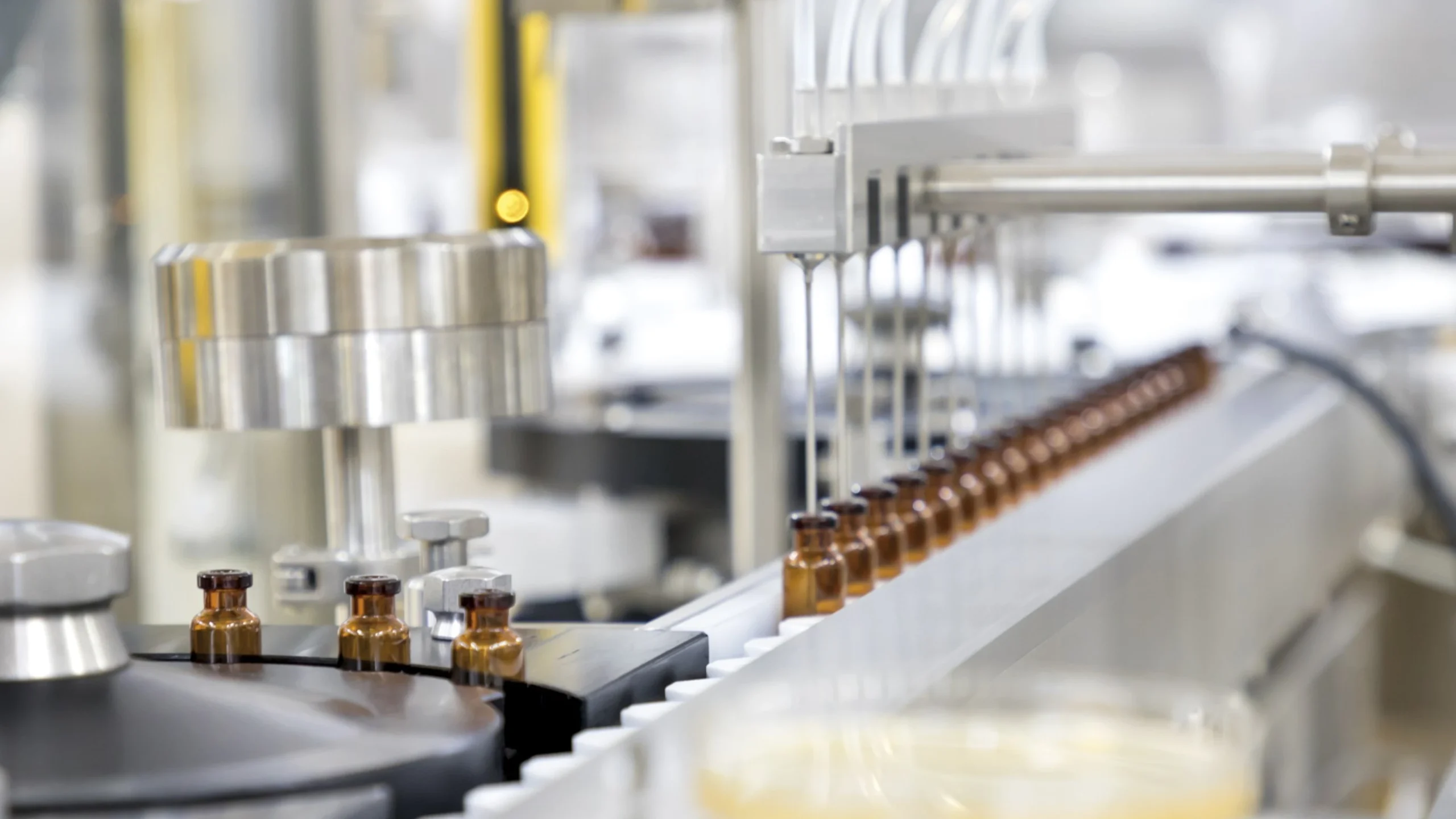
vaccines to the world. This is evident from the ‘vaccine maîtri’ initiative taken by Indian government during the COVID where we demonstrated the diplomatic biotech leverage by exporting COVID vaccines to the world. Currently, three out of ten vaccine manufactures that are responsible for supplying over 80% vaccines globally are from India. So, the question is not on the capabilities for the nation who already holds 20% share of the global supply of generic medicines and 60% share in the supply of vaccines to the world. It’s more about the intent or the political willingness to use biotechnology as a strategic geopolitical instrument. The current government policies like Biopharma Shakti Programme, BioE3 policy, etc. are some initiatives to achieve sustainable bioeconomy goals by 2030 (targeting USD 300 bn by 2030 as compared to USD 165.7 bn in 2024). An increased budget for the research and development in biotechnology further reflects government’s push to position India as a global leader in biotechnology and biomanufacturing, especially the Bio-RIDE programme to fill the gap between academic research and its industrial applications; formation of National Research and Development Innovation fund to support private sector participation in high impact R&D. Government is also promoting integration of AI and ML in the field of healthcare through premier research bodies. With respect to biodefence, various existing defence research labs are already involved in research impacting the soldiers’ life in and out of the battlefield. Their primary focus areas are cold arid agro-animal technologies; developing biosensors for harmful pathogen detection in air, water and food; nuclear medicine; CBRN defence technologies, etc. A self-reliant biotech industry will surely boost biodefence related research too.
Does this enough to make us the global leader in this domain, or is there something else we need to focus upon too? The answer is no to the first part of question, and yes to the later part.
First, we must strengthen our regulatory framework related to the domain, which is generally perceived as less preferential as compared to western counterparts, USFDA (United States Food and Drug Administration) and EMA (European Medicines Agency). The regulatory guidelines set up by USFDA and EMA for drug approval, clinical trials, and pharmacovigilance, are considered as gold standards and largely accepted by a number of countries, thus influencing market access across much of the world. As a result, regulatory validation from western authorities determines global commercialisation strategies in the present scenario. So, to transform into a biotechnology innovation leader from a manufacturing hub, our regulatory credibility must match our industrial capacity. At present, our export of pharmaceutical products has reached almost all over the world, but the acceptance of our regulatory guidelines is limited to handful of countries. When considering western counterparts, more than 100 countries rely on their set standards of drug approvals. Even, several regulators allow fast-track approval of any drug or therapy, if it’s already been approved by USFDA. Therefore, in order to assume a larger or defining role in shaping global pharmaceutical or biotechnology regulatory frameworks, we need to emphasise on the modernization of our regulatory policies and strengthening scientific review mechanisms in alignment with the global best practices while sticking to our cost-effective manufacturing ideology and maintaining all necessary quality protocols, to make our regulatory compliances more acceptable to the world. A strong and widely accepted regulatory framework facilitates international recognition of our domestic pharmaceutical products, thus fulfilling India’s ambition to be a biotech powerhouse.
Second, we need to improve our patent ecosystem. In the 21st century, wars will be fought with supply chains, patents and pills. So, control over essential drugs and new modern therapies through patents can achieve what sometimes
sanctions and bombs cannot. When compared to USA and Europe, we still need to expand our innovation capacity to increase patent count.
The easiest way to achieve both objectives is to increase innovation in biotechnology sector. Innovation generates more patents, sometimes for drugs and therapies crucial for critical or most prevailing diseases. And, when the technology or product is ours, it’s easier for us to determine regulatory compliances associated with it. Thus, compelling the world to accept our terms and conditions, which in a long run help India to play a decisive role in the sector.
Overall, a self-reliant biotech industry not only supports healthcare infrastructure within the country but makes the world more dependable on us for their medical needs, posing us as a key player in the sector. Advancements in the field provide better scope for the development of advanced biodefence techniques, which can act in both ways, first to prepare ourselves against any pandemic or biological attack, and second, offensive use of technology can act as a strategic deterrence to any threat by adversaries.